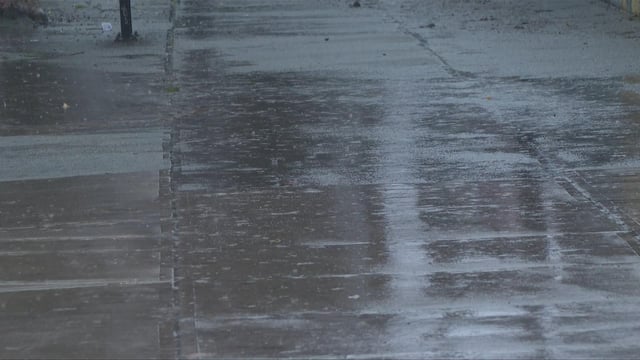
Intense Rains Hit Ceará: Risks, Impacts, and Safety Measures
Ceará, a vibrant state in Brazil's Northeast, is renowned for its stunning beaches, rich culture, and diverse landscapes. However, like many regions, it is also susceptible to significant weather phenomena, particularly intense rainfall during its rainy season. When the Fundação Cearense de Meteorologia e Recursos Hídricos (Funceme) or the Instituto Nacional de Meteorologia (Inmet) issue an
aviso chuvas Ceará – a severe weather warning for Ceará – it signals a critical need for residents and visitors alike to be vigilant and prepared. These warnings are not mere forecasts; they indicate potentially dangerous conditions that demand immediate attention and proactive safety measures.
Understanding Weather Alerts: Forecasts vs. Warnings for Ceará
It's crucial to distinguish between a standard weather forecast and a meteorological warning, a distinction Funceme frequently emphasizes. A conventional weather forecast provides information on expected conditions over a given period – perhaps sunshine, cloudy skies, or light showers. It helps you plan your day, decide whether to carry an umbrella, or if it's a good day for the beach.
An
aviso chuvas Ceará, however, is a much more urgent communication. It's specifically issued when phenomena with the potential to be dangerous or cause significant disruption are anticipated. These warnings are based on sophisticated analyses of global and regional numerical models, alongside various real-time meteorological monitoring tools. They serve as an alert system, prompting the population to be aware of imminent risks and to adopt preventive measures to mitigate potential harm. The presence of a severe weather warning means that the situation could evolve rapidly and pose serious threats to life, property, and infrastructure. For a deeper dive into how these alerts are issued and what they mean, you can read more at
Funceme Issues Severe Weather Warning for Ceará: What You Need to Know.
High-Risk Areas and the Immediate Dangers of Intense Rains
When Funceme or Inmet issue an
aviso chuvas Ceará, certain regions are consistently highlighted as being at higher risk due to their geographical characteristics. These often include the coastal areas (Litoral), the mountainous Ibiapaba macro-region, parts of Southern Ceará, and particularly the Northwest Cearense, which encompasses municipalities along the northern coast, the Ibiapaba mountain range, and areas bordering Piauí.
The risks associated with intense rainfall are multi-faceted and can escalate quickly. These include:
- Flooding and Flash Floods: Low-lying areas and urban centers are particularly vulnerable to rapid inundation, making streets impassable and threatening homes. Flash floods can carry debris, damage vehicles, and pose extreme danger to anyone caught outdoors.
- Power Outages: Heavy rains, strong winds, and lightning strikes can lead to downed power lines, causing widespread electricity cuts that can last for hours or even days. This disrupts communication, affects daily life, and can compromise essential services.
- Falling Tree Branches and Trees: Saturated soil combined with strong winds can uproot trees or cause branches to break off, posing a significant hazard to pedestrians, vehicles, and buildings.
- Lightning Strikes: Intense electrical storms often accompany heavy rainfall, increasing the risk of lightning strikes that can cause fires, structural damage, and fatalities.
- Landslides and Erosion: In areas with steep terrain, prolonged heavy rains can destabilize soil, leading to landslides that can devastate communities and block roads. Even in flatter areas, significant erosion can occur, damaging agricultural land and infrastructure.
- Traffic Disruptions: Flooded roads, reduced visibility, and debris can make driving extremely hazardous, leading to accidents and significant traffic delays.
Specific municipalities frequently mentioned in these warnings include Acaraú, Alcântaras, Camocim, Chaval, Granja, Jijoca de Jericoacoara, Marco, Martinópole, Meruoca, Tianguá, Uruoca, and Viçosa do Ceará, among others. These areas, due to their topography or proximity to water bodies, face heightened vulnerability. For a more detailed list of cities recently under alert, refer to
Ceará Under Intense Rain Alert: Which Cities Are at Risk?.
Real-World Impacts: Lessons from Recent Events in Ceará
The severity of an
aviso chuvas Ceará is often underscored by the real-world consequences witnessed after intense weather events. A stark example comes from the municipality of Várzea Alegre, which recently experienced the profound effects of heavy precipitation. Following intense rainfall, which saw a staggering 161 millimeters of rain – one of the highest registrations in Ceará within a short period – the city faced widespread devastation.
Reports and videos from residents depicted scenes of severe flooding: streets transformed into raging rivers, homes inundated with water, and the heartbreaking sight of animals, including a group of horses, becoming isolated and struggling in neck-deep water. Such events highlight not only the immediate danger to life but also the significant economic and social toll on affected communities. Property damage was evident, with partial collapse of at least one house reported, leaving families displaced and facing extensive repairs. These instances serve as a powerful reminder of why understanding and responding to weather warnings is not just recommended, but absolutely essential. The aftermath of such rains requires significant recovery efforts, illustrating the importance of preparedness to minimize the impact before it occurs.
Essential Safety Measures to Protect Yourself and Your Property
Responding effectively to an
aviso chuvas Ceará can significantly reduce risks and protect lives and property. Official agencies like Inmet and Funceme, along with civil defense authorities, consistently issue practical advice. Here are essential safety measures to adopt:
- Stay Informed: Continuously monitor official weather updates from Funceme, Inmet, and local civil defense channels (radio, TV, official websites, and social media). Do not rely on unverified sources.
- Secure Your Home:
- Electrical Safety: Disconnect all non-essential electrical appliances from outlets. In severe flood warnings, consider turning off the main circuit breaker if it is safe to do so and not in standing water.
- Outdoor Items: Secure any loose items outdoors – patio furniture, garbage cans, garden tools – that could be blown away by strong winds or washed away by floodwaters.
- Valuables: If there's a risk of flooding, move important documents, electronics, and valuable items to higher ground or store them in waterproof containers/plastic bags.
- Avoid Flooded Areas: Never attempt to drive, walk, or swim through flooded streets or rapidly moving water. Just six inches of moving water can knock an adult off their feet, and two feet can sweep away most vehicles. Floodwaters can hide dangerous debris, open manholes, or downed power lines.
- Seek Safe Shelter: If you are outdoors when an intense storm hits, seek immediate shelter in a sturdy building. Avoid standing under trees or near power poles during lightning and strong winds.
- Prepare an Emergency Kit: Have a basic emergency kit ready, including:
- Non-perishable food and bottled water for at least three days.
- Flashlight with extra batteries.
- First-aid kit and any necessary prescription medications.
- Battery-powered or hand-crank radio.
- External charger for mobile phones.
- Whistle to signal for help.
- Important documents (identification, insurance policies) in a waterproof bag.
- Have a Communication Plan: Ensure all family members know how to contact each other and where to meet in case of separation or evacuation.
- Know Emergency Contacts: Keep emergency numbers handy: Defesa Civil (199) and Corpo de Bombeiros (193).
Staying Informed and Prepared: A Community Effort
The responsibility for safety during an
aviso chuvas Ceará doesn't solely rest on individual households. It's a collective effort that requires community engagement and support. Local authorities, emergency services, and community leaders play a pivotal role in disseminating information, coordinating rescue efforts, and providing aid to affected areas. However, citizens' proactive steps are the first line of defense.
Beyond immediate safety measures, consider participating in local community preparedness programs. Understanding your neighborhood's specific vulnerabilities – whether it's prone to flooding, landslides, or has elderly residents who might need assistance – can empower collective action. During and after severe weather, checking on neighbors, especially the elderly or those with mobility issues, can make a significant difference.
Long-term resilience also involves advocating for and supporting infrastructure improvements that can better withstand intense weather, such as improved drainage systems and stronger building codes. By staying informed, preparing diligently, and fostering a sense of community preparedness, Ceará can better navigate the challenges posed by intense rainfall and protect its people and precious resources.
Conclusion
The issuance of an
aviso chuvas Ceará is a serious matter that demands respect and readiness. While the beauty of Ceará is undeniable, its vulnerability to intense meteorological events necessitates a well-informed and proactive populace. By understanding the critical distinction between forecasts and warnings, knowing the specific risks to high-vulnerability areas, learning from past impacts, and diligently implementing essential safety measures, residents and visitors can significantly enhance their resilience. Always prioritize official information from Funceme, Inmet, and local Civil Defense, and remember that preparedness is the key to minimizing harm and ensuring safety during severe weather events. Stay vigilant, stay safe.